| Discover › A medieval-style garden |
|
| |
| |
A medieval-style garden
|
Discover the Medieval Garden at the castle of Saint-Jean-d’Angle.
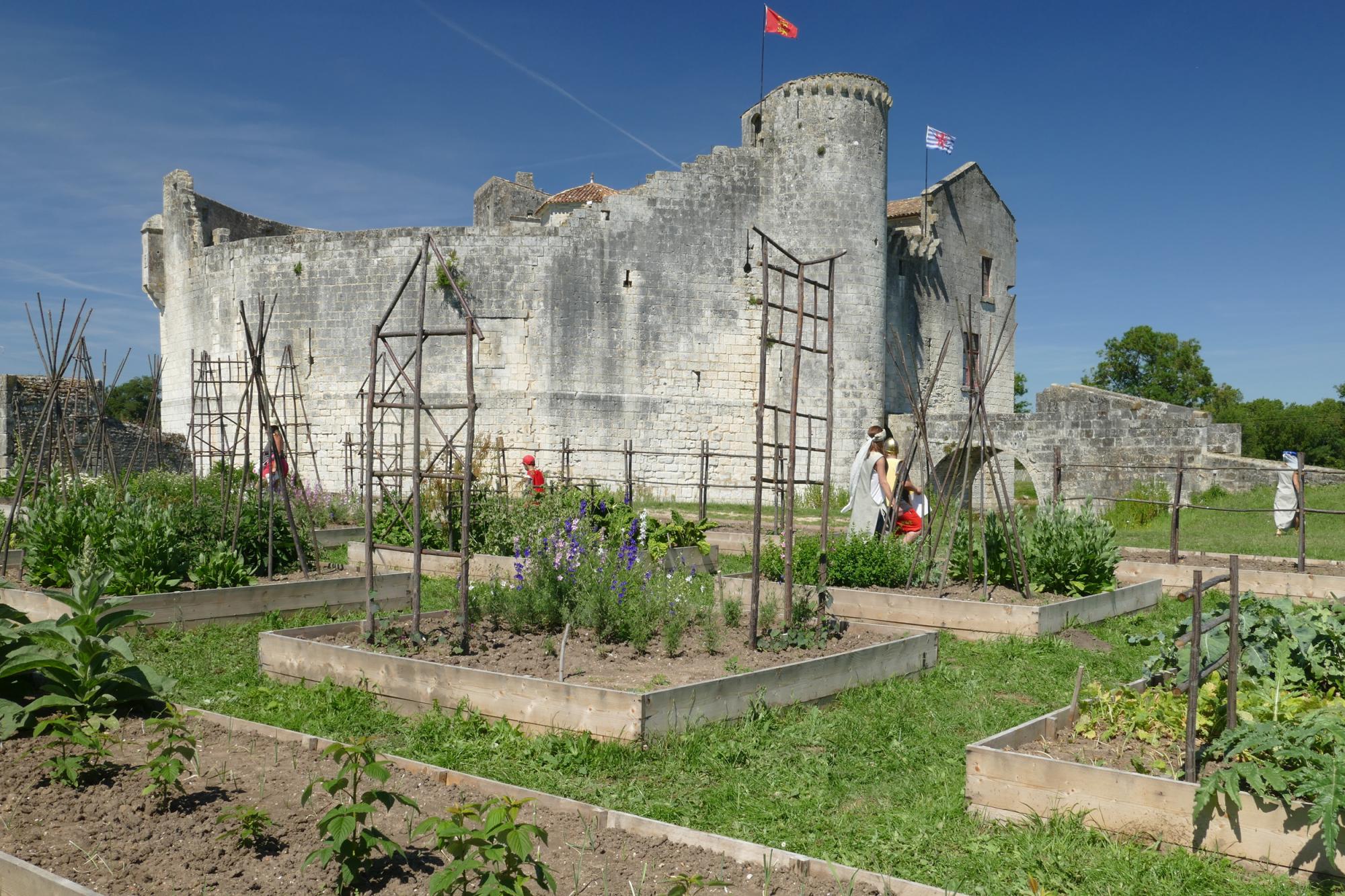
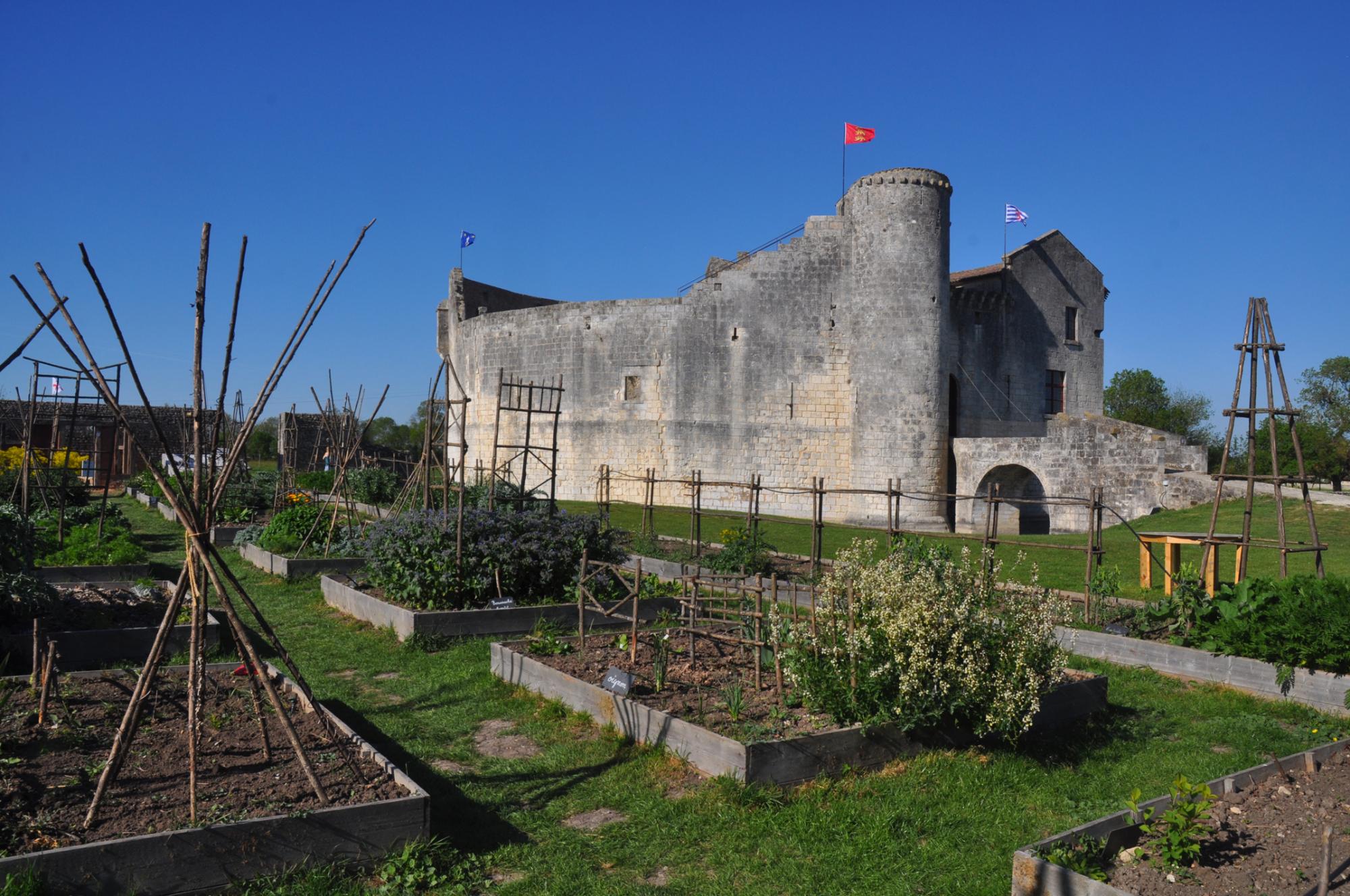
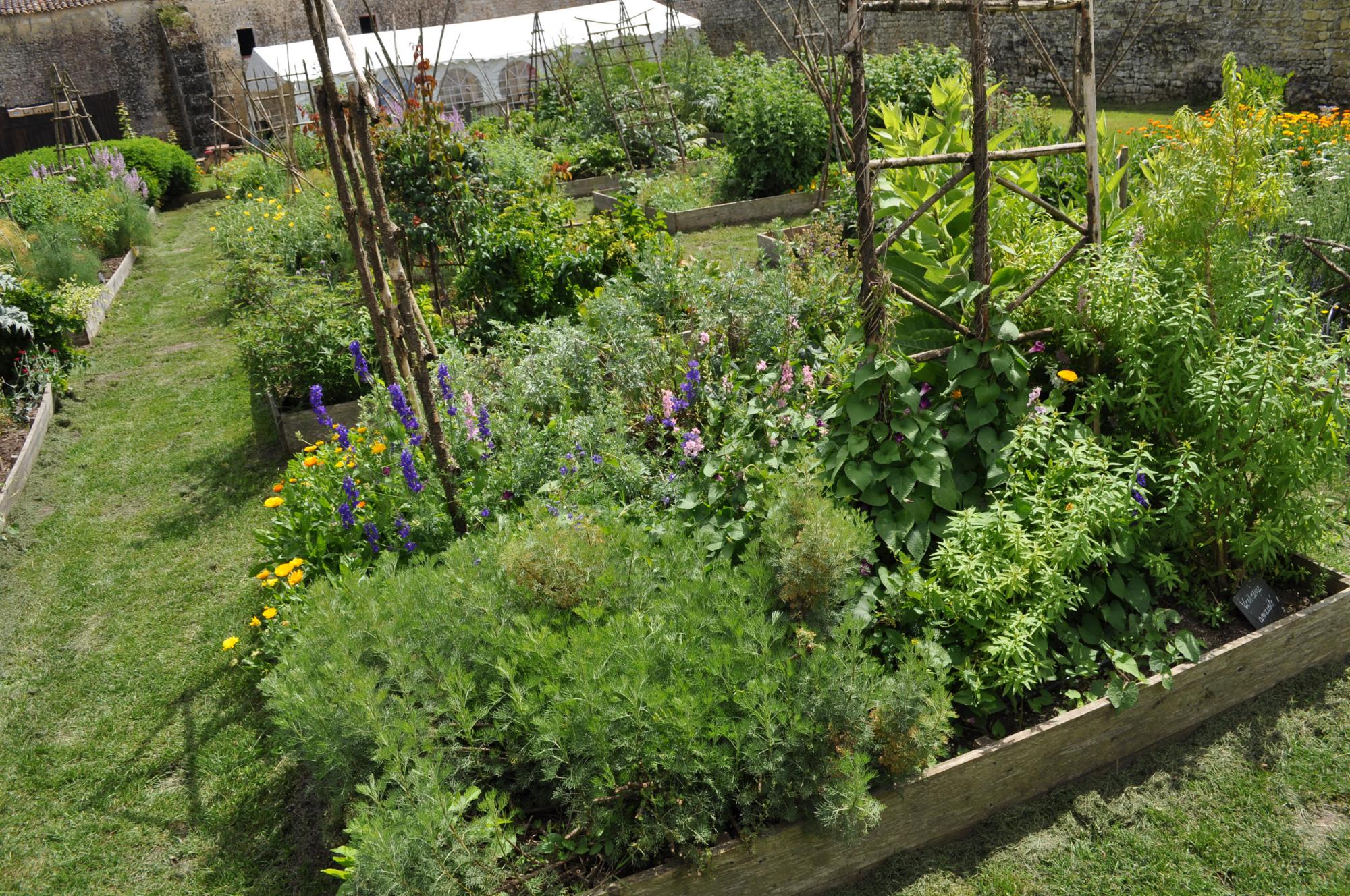
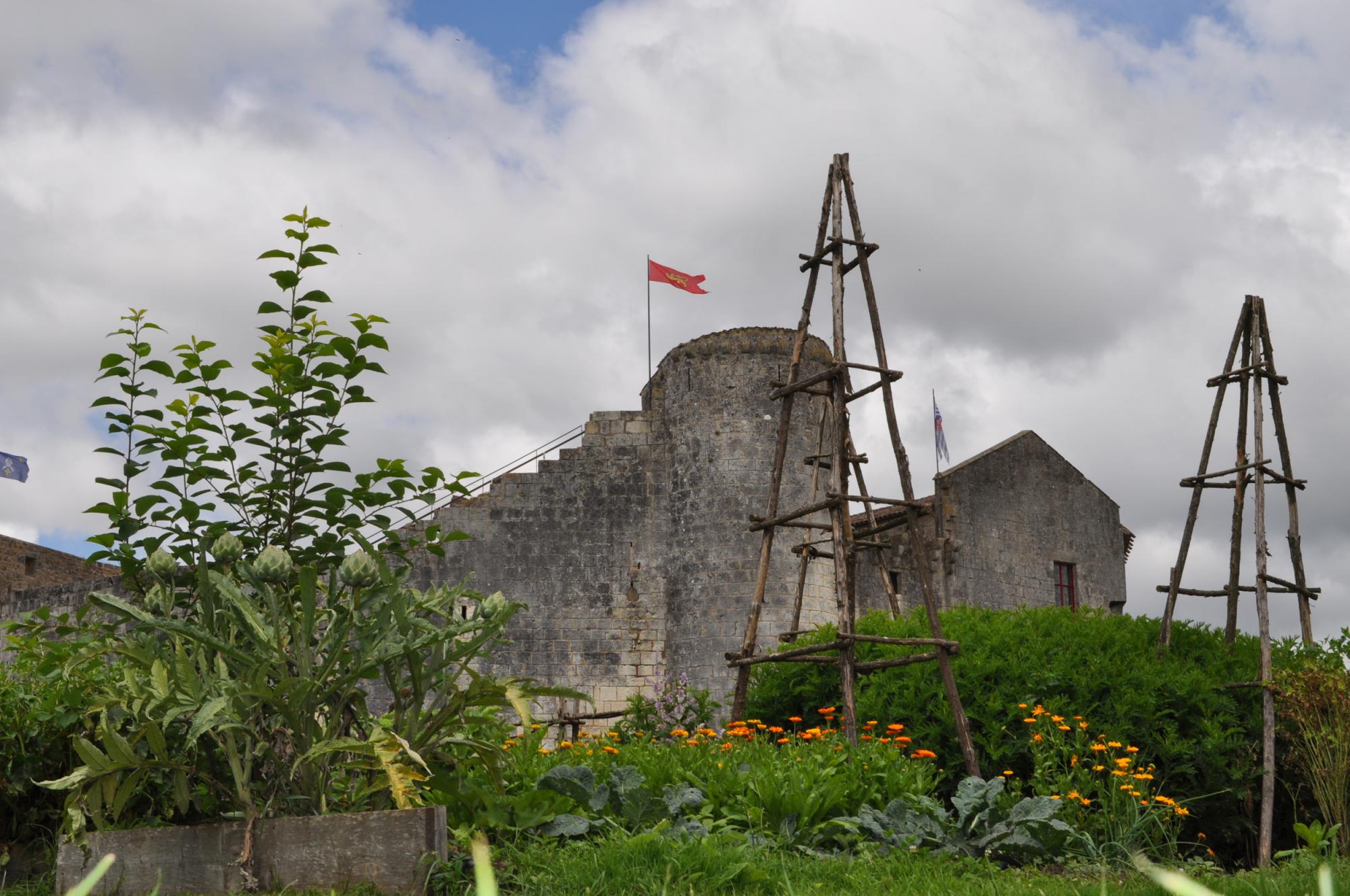
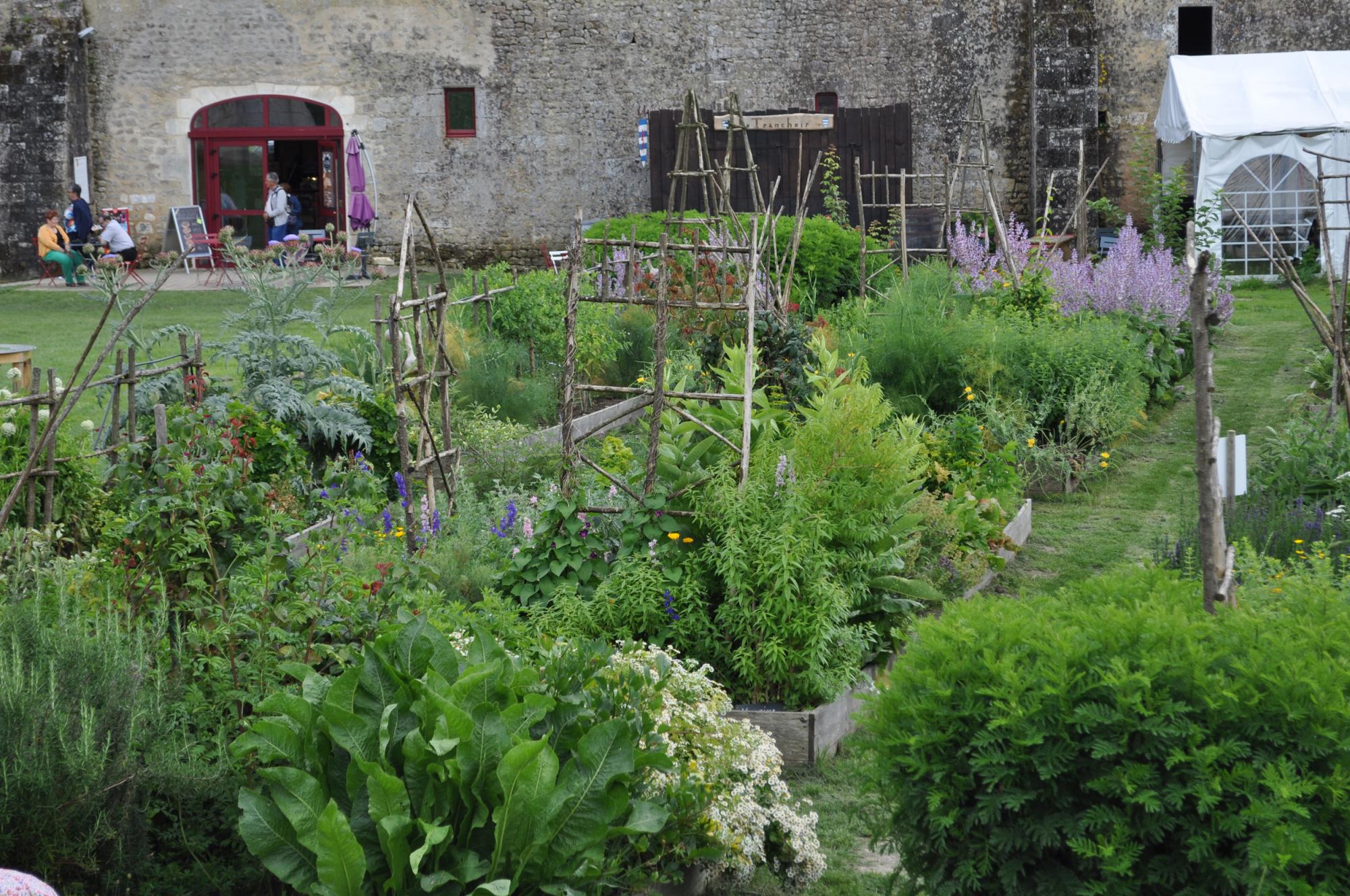
At the heart of the Castle of Saint-Jean-d’Angle, near Fouras and Rochefort in Charente-Maritime, discover a medieval-inspired garden that invites you to step back in time. Located in the castle’s lower courtyard, at the foot of the fortress, this garden combines nature, history and the traditional uses of plants in the Middle Ages.
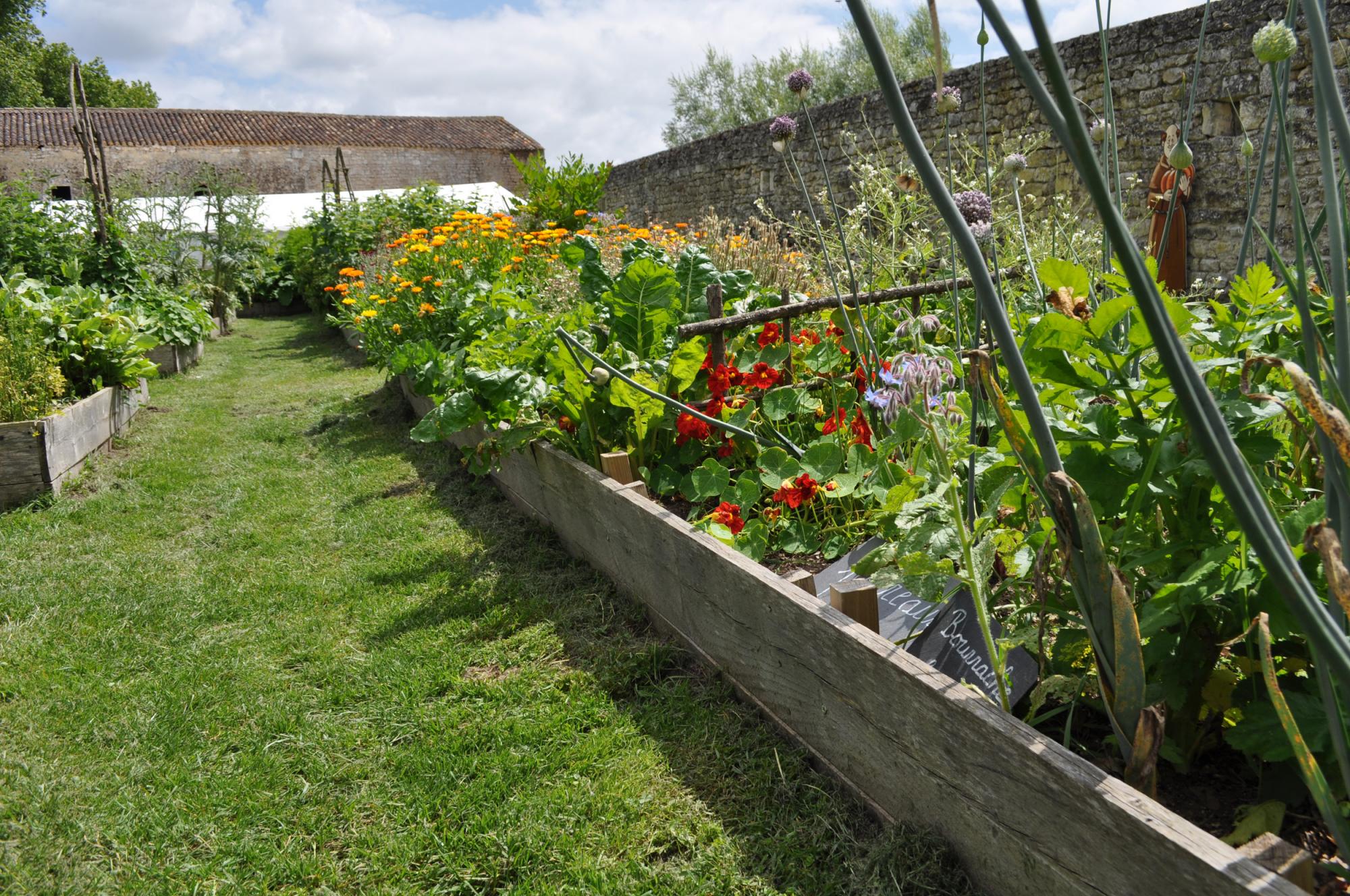
Arranged into 12 garden plots, it reflects the principles of medieval gardening and features two complementary areas: the Hortus, dedicated to vegetable growing, and the Herbularium, devoted to medicinal plants.
It is an enjoyable and educational stop during a family visit to this medieval castle in western France, offering a different way to explore the region’s heritage.
The Hortus : Discover the Medieval Vegetable Garden
In the Middle Ages, vegetable gardens played an important role in everyday life. Crops provided food and helped households become more self-sufficient.
At the castle of Saint-Jean-d’Angle, the Hortus evokes this world and introduces visitors to the role of gardens in medieval society. It offers an opportunity to explore history through nature and learn about traditional gardening practices.
The Herbularium : Explore Medieval Medicinal Plants
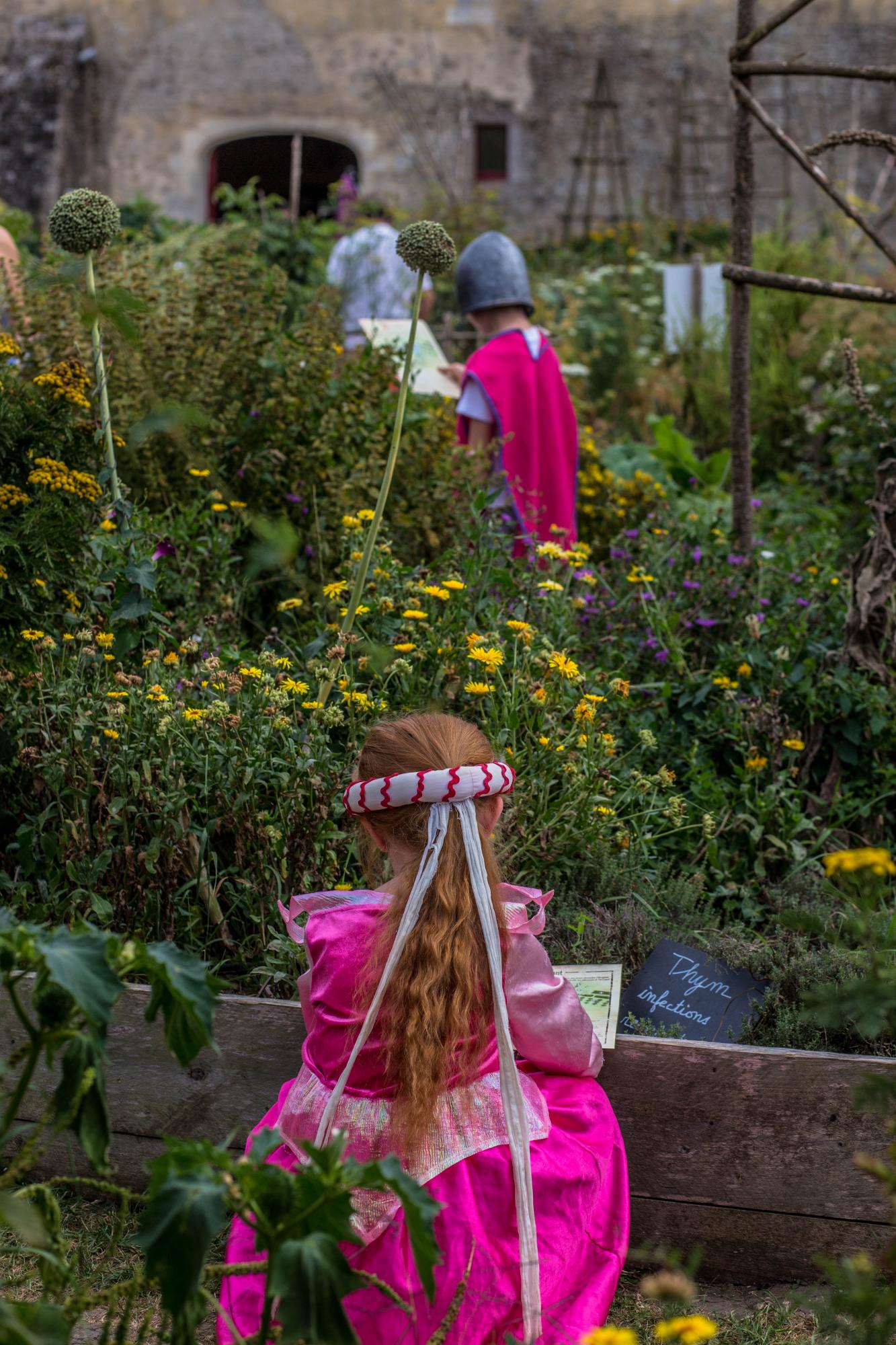
During the Middle Ages, certain plants were grown for their traditional uses, including in remedies and everyday care. The Herbularium, or medicinal herb garden, introduces visitors to these practices and highlights the importance of plants in medieval life.
This botanical discovery complements the castle visit and offers a glimpse into the plant knowledge of the past. |
A medieval-style garden
|
|
|
Discover the Medieval Garden at the castle of Saint-Jean-d’Angle.
At the heart of the Castle of Saint-Jean-d’Angle, near Fouras and Rochefort in Charente-Maritime, discover a medieval-inspired garden that invites you to step back in time. Located in the castle’s lower courtyard, at the foot of the fortress, this garden combines nature, history and the traditional uses of plants in the Middle Ages.
Arranged into 12 garden plots, it reflects the principles of medieval gardening and features two complementary areas: the Hortus, dedicated to vegetable growing, and the Herbularium, devoted to medicinal plants.
It is an enjoyable and educational stop during a family visit to this medieval castle in western France, offering a different way to explore the region’s heritage.
The Hortus : Discover the Medieval Vegetable Garden
In the Middle Ages, vegetable gardens played an important role in everyday life. Crops provided food and helped households become more self-sufficient.
At the castle of Saint-Jean-d’Angle, the Hortus evokes this world and introduces visitors to the role of gardens in medieval society. It offers an opportunity to explore history through nature and learn about traditional gardening practices.
The Herbularium : Explore Medieval Medicinal Plants
During the Middle Ages, certain plants were grown for their traditional uses, including in remedies and everyday care. The Herbularium, or medicinal herb garden, introduces visitors to these practices and highlights the importance of plants in medieval life.
This botanical discovery complements the castle visit and offers a glimpse into the plant knowledge of the past. |
|
|